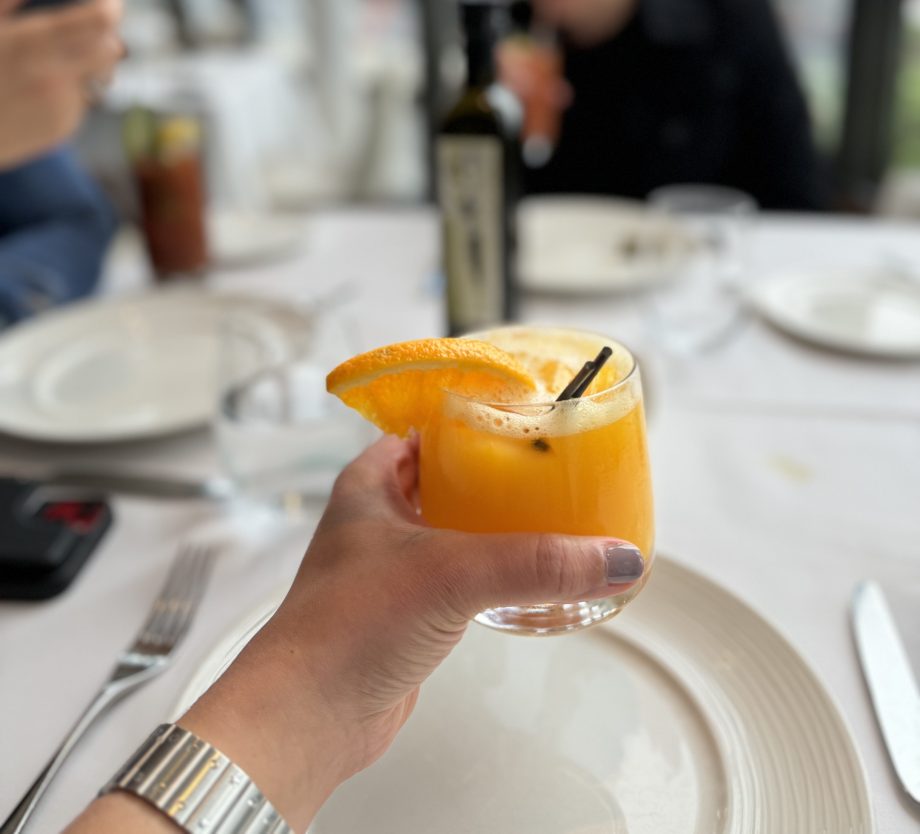
Why did I decide to do Dry January? Well, let’s just say my 14-year-old child emotionally blackmailed me into it.
Imagine giving your body 28 days to reset. No alcohol, no interruptions to recovery—just pure focus on how it responds to movement, nutrition, and rest.
The results were clear: our bodies are constantly adapting, and small shifts can make a big impact.
What Happens When You Remove Alcohol?
I had all these mocktails…
Jokes aside, here’s what actually happened over these 28 days:
- Fat loss happened, but muscle stayed mostly intact.
- Hydration improved, especially post-period.
- Recovery felt smoother, and metabolism stayed consistent.
There were no signs of metabolic suppression, no rebound effects, no sudden energy crashes. The body simply worked more efficiently—burning fat, holding onto muscle, and responding well to training.
How do I know that? Because I collected data!!!
28-Day Body Composition Trends
I tracked my body composition changes—fat loss, muscle retention, hydration, metabolism—while also considering the role of (potential) perimenopause, my menstrual cycle, and structured strength training.
| Metric | Percentage Change (%) |
| Weight (lbs) | -1.367308888 |
| Body Fat (%) | -0.8403361345 |
| Muscle Mass (lbs) | -0.9278350515 |
| Body Water (%) | 0.4255319149 |
| Muscle Mass (%) | 0.4975124378 |
| Lean Body Mass (lbs) | -0.8704061896 |
| Bone Mass (lbs) | -3.125 |
| Protein (%) | 0 |
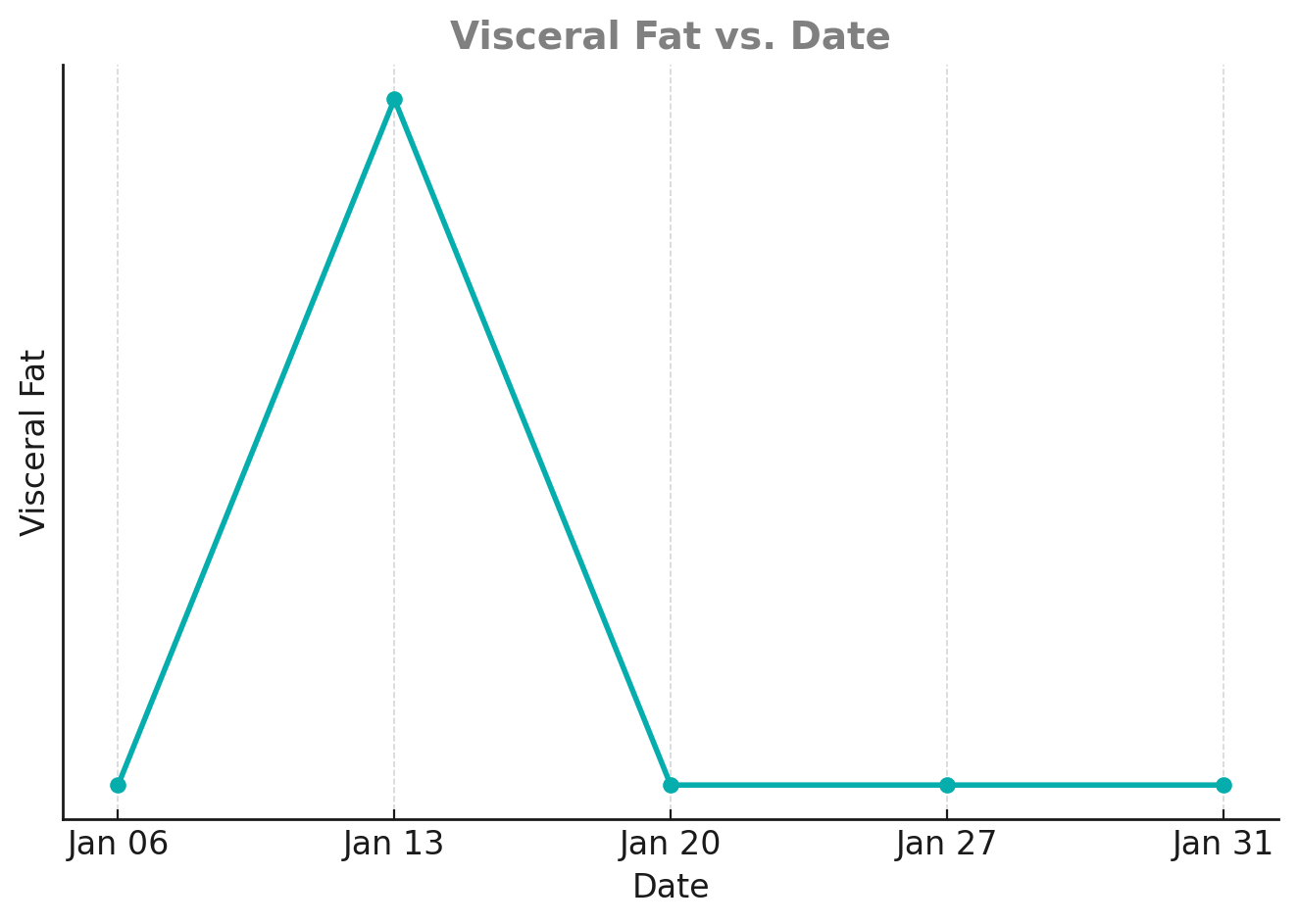
| Visceral Fat | 0 |
| BMR (kcal) | -0.6507592191 |
Why the Impact Might Seem Small in Numbers
Looking at percentage changes, you might think the results weren’t dramatic. But here’s the thing—body composition shifts take time.
- One month is relatively short for major fat or muscle changes, especially with consistent strength training and no extreme calorie deficits.
- My body was already well-managed—I wasn’t drinking excessively before (cough, cough), so cutting alcohol didn’t trigger a drastic shift in weight or fat loss.
- I didn’t just stop drinking—I trained hard. Strength training helped preserve muscle, and any slight dip in lean mass was more likely due to training fatigue than alcohol abstinence.
But where I did see noticeable changes was in recovery, hydration, and mental clarity.
Where the Impact Was More Noticeable
- Better recovery and focus – I felt sharper, more focused, and overall more in control this month. Likely thanks to better hydration, improved sleep, and less inflammation from alcohol.
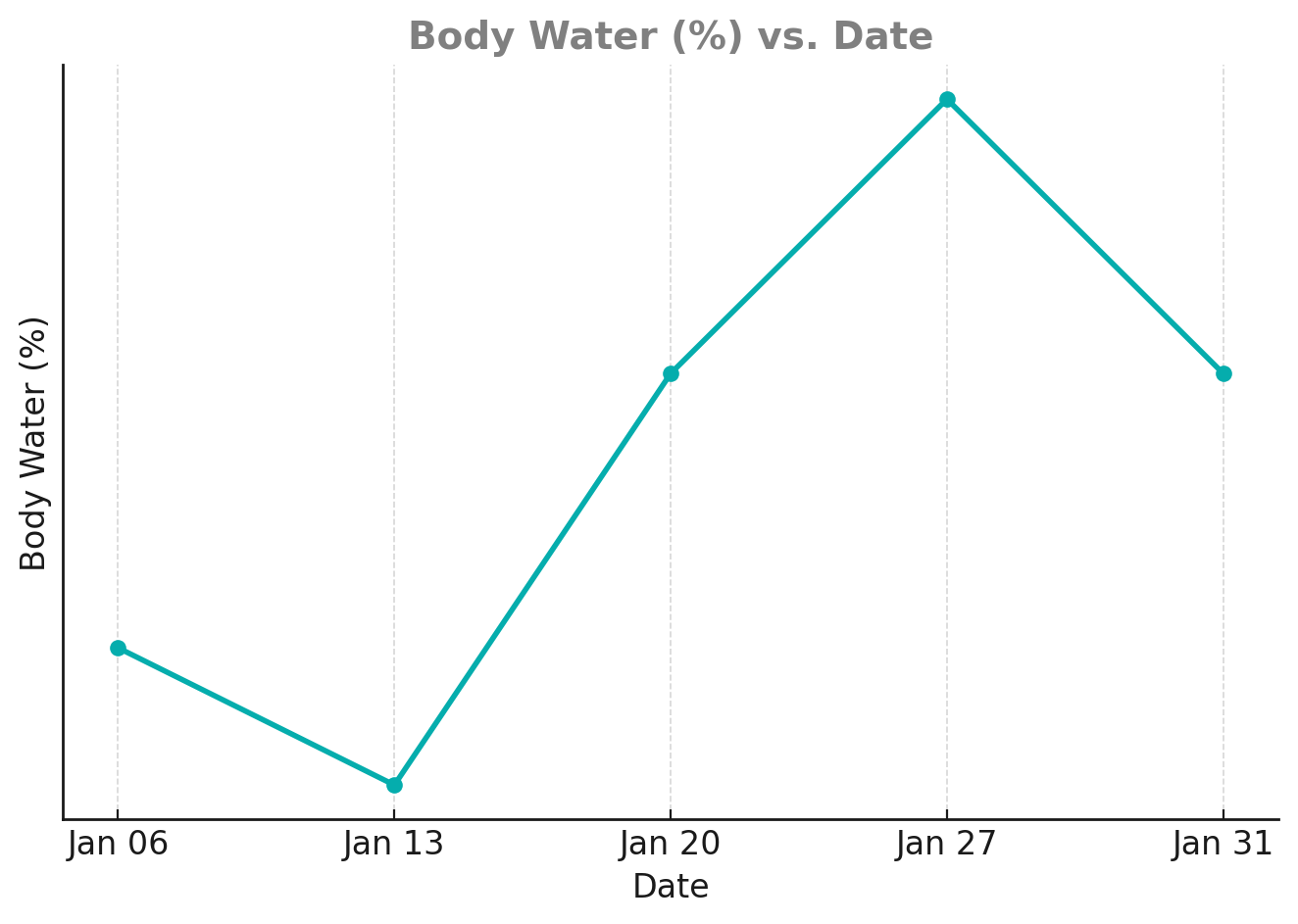
- Hydration and body water balance improved – Even though the shift was small, my body water levels increased post-period, suggesting better fluid regulation, possibly influenced by the absence of alcohol.
- No unwanted fat gain – Even without drastic fat loss, I avoided metabolic slowdowns or visceral fat increase, which are common effects of regular alcohol consumption.
- Consistent metabolism – My BMR remained stable, meaning my body didn’t overcompensate or slow down due to the change in drinking habits—it just continued functioning efficiently.
Not all changes have to be extreme to be meaningful. Sometimes, the real wins happen beneath the surface.
Weight and Body Composition Trends
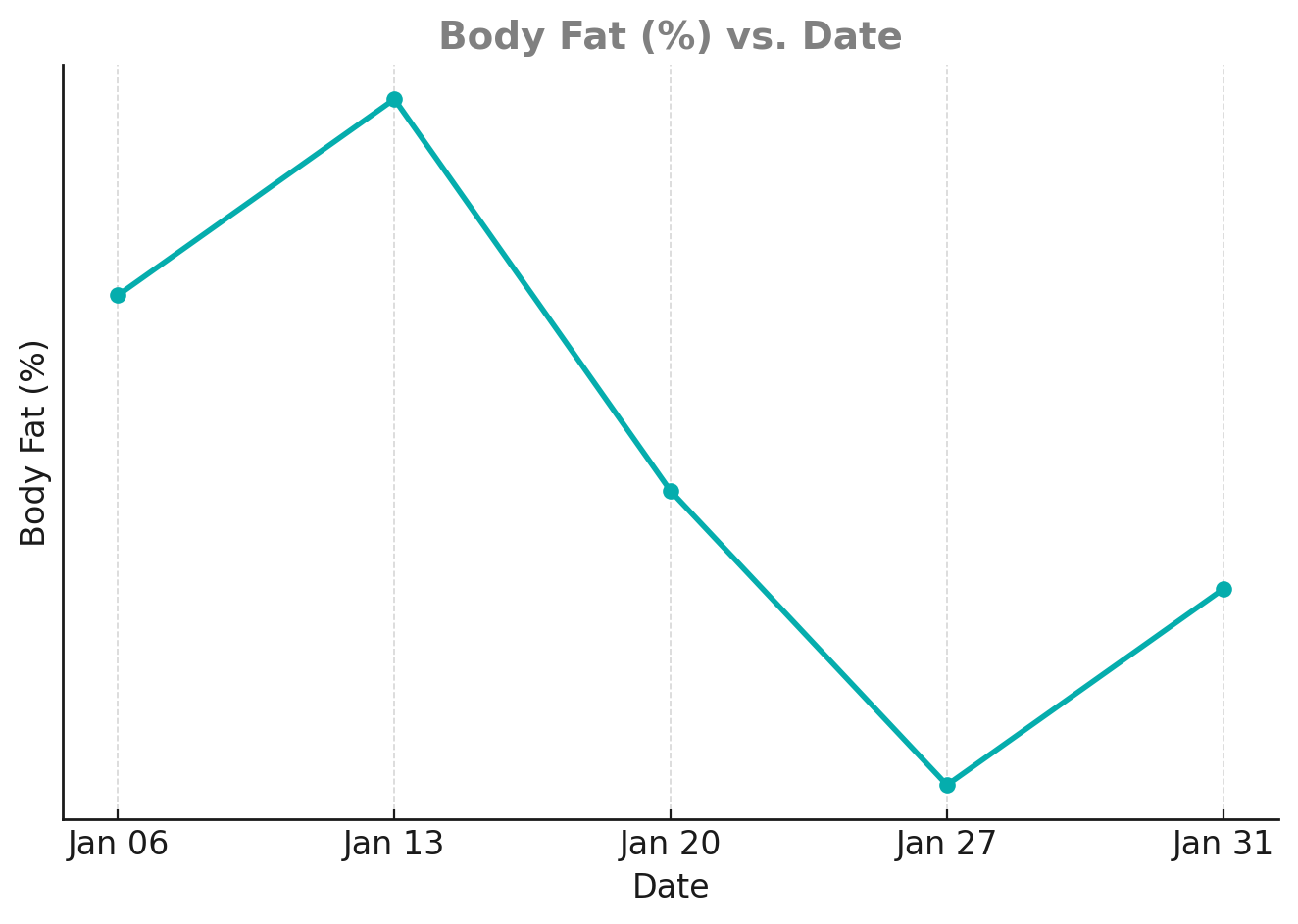
We treat weight like the ultimate scoreboard, but in reality, it fluctuates constantly. Over these 28 days, my weight went up and down, peaking just before my period and then dropping afterward. It wasn’t fat gain—it was hormones doing their job. Three days before my period, progesterone triggered water retention. Once my cycle ended, the extra weight disappeared, revealing that real fat loss had been happening beneath the surface.

Fat Loss and Muscle Retention
By the end of the 28 days, my body fat had dropped by about 1.5 percent. That might not sound like much, but sustainable reductions like this drive long-term health. More importantly, muscle mass percentage stayed stable.
Here’s why that matters:
- Perimenopause makes it harder to hold onto muscle.
- Estrogen plays a key role in muscle preservation, and as levels fluctuate, muscle loss becomes a real challenge.
- Strength training and protein intake helped me maintain lean mass, proving that fat loss doesn’t have to come at the expense of muscle.
Muscle Mass and Strength: The Role of Training
Muscle mass dipped slightly, but here’s the interesting part—it correlated with my workout intensity.
- Mid-month, when training peaked, muscle mass was at its highest.
- By the end of the month, there was a slight decline, likely due to a mild caloric deficit or muscle fatigue from training volume.

This reinforced two things:
- Muscle preservation isn’t just about lifting weights—it’s about proper recovery too.
- Fueling post-workout is just as important as the workout itself.
Hydration and Water Balance
Hydration is often overlooked, but during this month, I saw how much it matters.
- Just before my period, body water percentage dropped—not because I drank less, but because my body was retaining more fluid.
- After my period, hydration levels improved, in sync with hormonal shifts.
Training also played a role. On back-to-back training days, my hydration dipped slightly—likely due to increased sweat loss. Without alcohol dehydrating me, my overall water balance seemed smoother.
Bone Health and Metabolic Stability
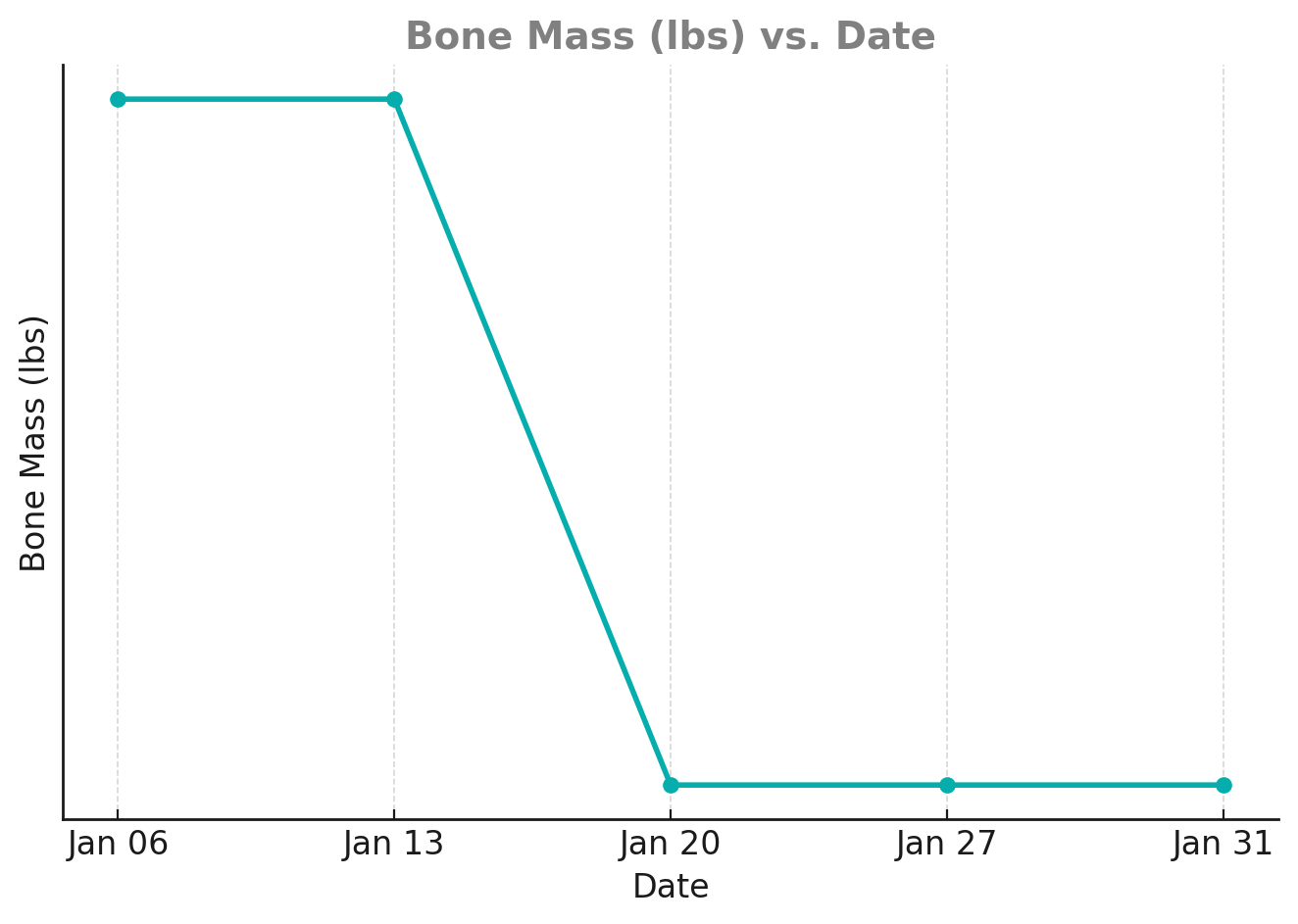
Bone mass saw a minor decline—nothing dramatic, but worth monitoring.
- At 43, estrogen shifts impact calcium absorption, making bone health even more important.
- This reinforced what I already knew: strength training isn’t just about muscle—it’s essential for bone health too.
Metabolically, things stayed steady. My BMR (Basal Metabolic Rate) didn’t crash, meaning my body didn’t interpret fat loss as starvation. Instead, resistance training and balanced nutrition kept my metabolism running efficiently.
Visceral Fat and the Bigger Picture
Visceral fat—the deep fat around organs—remained stable, which is a good sign.
- There was a slight increase pre-period, likely from temporary hormonal shifts, but it balanced out.
- More importantly, not drinking alcohol didn’t lead to unwanted fat storage, which some people fear when adjusting their diet.
Final Thoughts
This whole experiment showed me how interconnected everything is—hormones, training, recovery, hydration, and even something as simple as not drinking.
My body wasn’t just reacting to food and workouts; it was responding to everything happening internally, from perimenopause to my cycle.
And honestly? Not drinking wasn’t as hard as I thought it would be. I felt sharper, more focused, and just… better. Plus, I didn’t want to kill anyone this month, which is always a win!
Moving forward, I won’t be completely cutting alcohol, but I’ll be far more intentional about balance—making sure my choices align with how I want to feel and perform.
The Focus Moving Forward
- Optimizing protein intake to protect muscle
- Refining post-workout recovery to improve performance
- Maintaining hydration to support long-term metabolic health
- Drinking more mindfully… with intention, not out of habit…
…and on that note, time to go have a dry martini.
P.S. To make sense of all this data, I enlisted the help of A.I., which helped me analyze trends, break down what was really happening in my body, and—most importantly—offered smart recommendations on how to approach drinking more intentionally moving forward. This experiment wasn’t about giving up alcohol forever—it was about understanding how my body responds and making better choices based on real data AND I really surprised myself because I did not think I was going to be able to do it!
P.P.S. Intentional Drinking
Low-Sugar Options
Hormonal shifts during perimenopause can make blood sugar regulation more challenging. Opt for drinks with low sugar content to avoid spikes and crashes. Examples include:
- Dry wines (like Sauvignon Blanc, Pinot Grigio, or dry red wines like Pinot Noir or Cabernet Sauvignon).
- Straight spirits (like vodka, gin, or tequila) mixed with soda water and a splash of citrus.
Lower Alcohol by Volume (ABV) Options
Alcohol’s impact on sleep, mood, and hot flashes can be more pronounced during perimenopause. Choosing drinks with lower ABV can reduce these effects:
- Low-alcohol wines (often labeled as such).
- Mocktails with a splash of wine or spirit for flavor.
- Beer alternatives like low-ABV beers or shandies.
Antioxidant-Rich Choices
If you’re drinking, some options may offer slight health benefits due to their antioxidant content:
- Red wine (like Pinot Noir or Malbec) contains resveratrol, an antioxidant that may have heart-protective effects.
- Craft beer with minimal additives and natural fermentation processes.
Portion Control
Stick to recommended guidelines: one drink per occasion (5 oz of wine, 1.5 to 2 oz of spirits, or 12 oz of beer) to avoid overburdening your liver and increasing inflammation.
Timing & Hydration
- Avoid alcohol close to bedtime, as it can disrupt sleep cycles, especially in perimenopause when sleep may already be irregular.
- Drink water alongside your alcohol to stay hydrated and help mitigate any adverse effects.
Know Your Triggers
Some women notice that certain types of alcohol, like red wine, may exacerbate hot flashes or migraines. Pay attention to your body’s signals and adjust accordingly. While alcohol should be consumed sparingly, mindful choices and moderation can allow for occasional enjoyment without significantly affecting overall health.
 first coffee, then things